


03 / Developmental Modular Embodiment
Rags to Robots
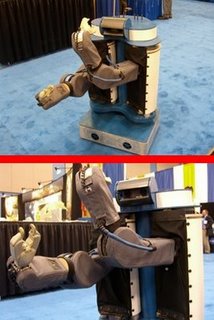
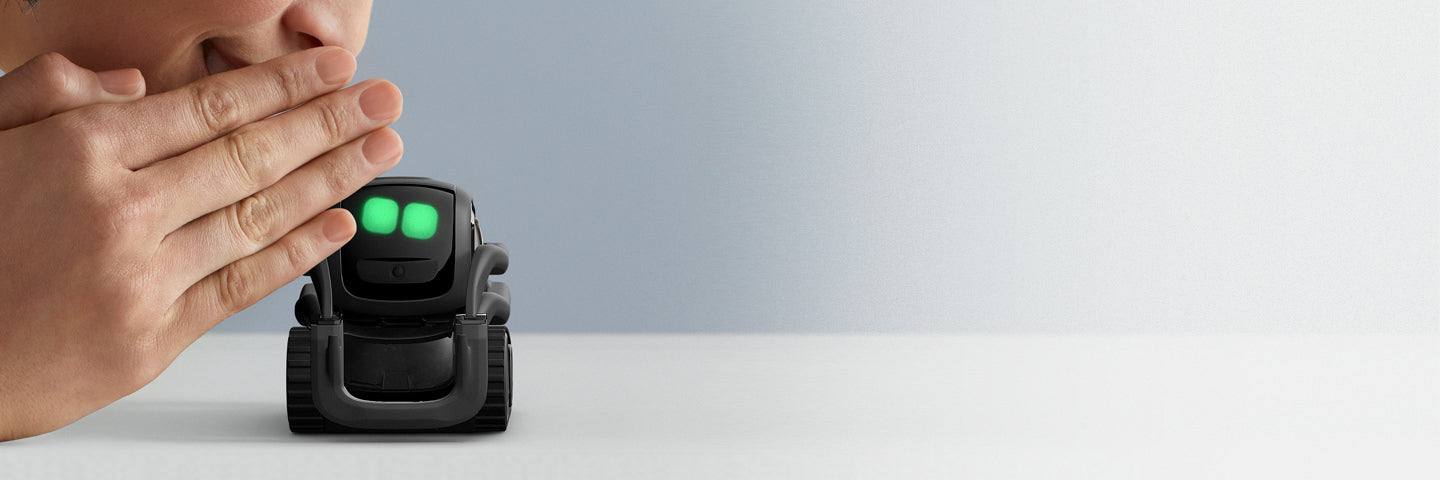
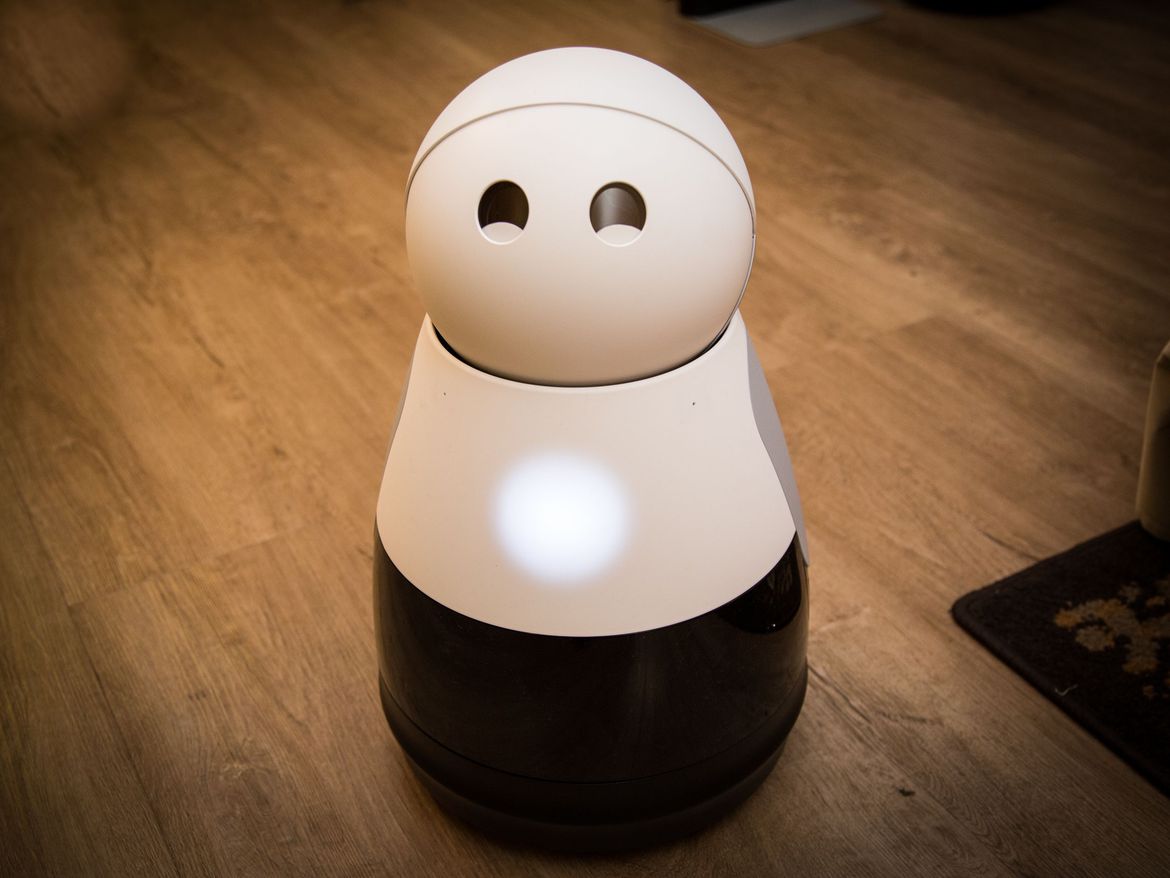
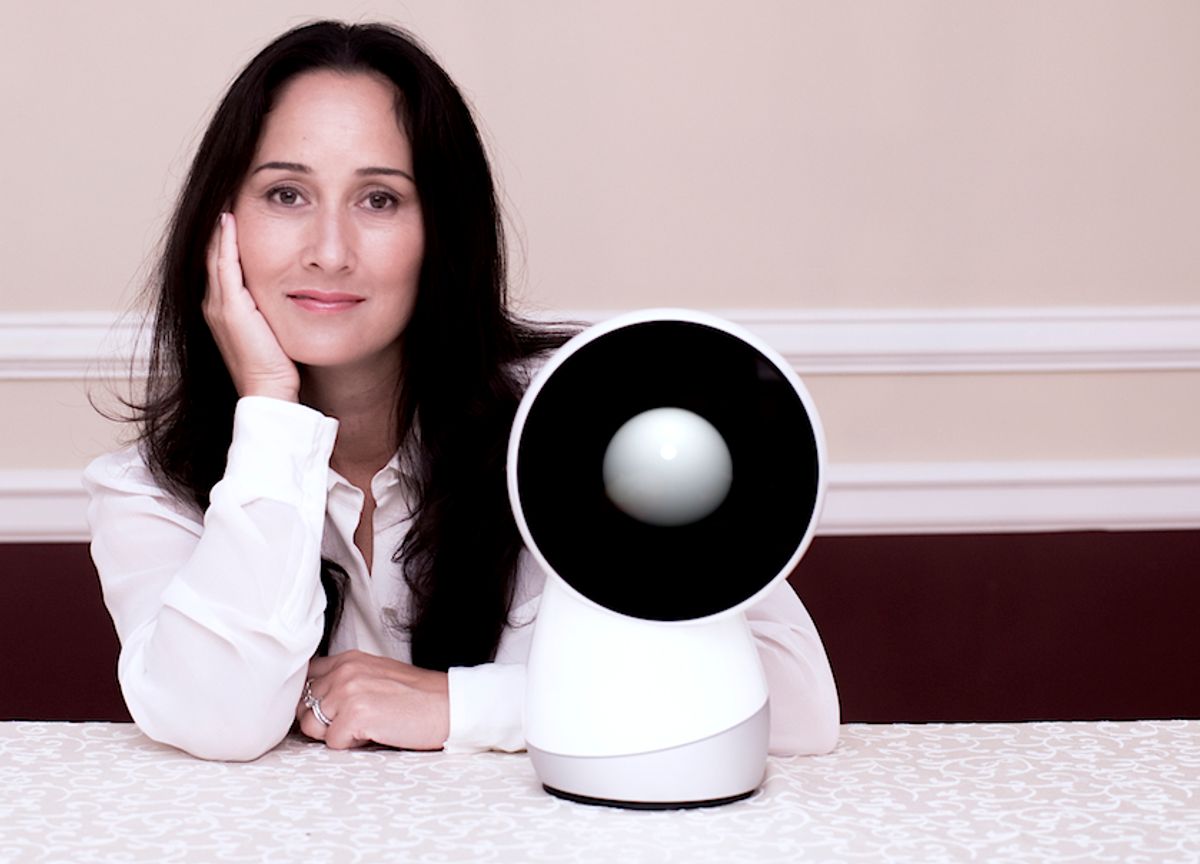
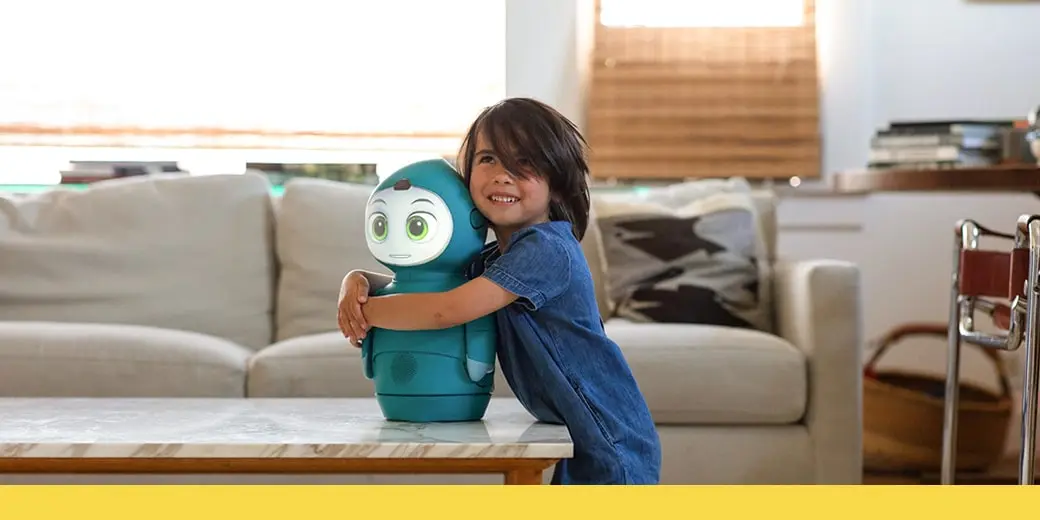
Willow Garage's PR1&2, Aldebaran's NAO and Pepper, Anki's Vector and Cozmo, Mayfield Robotics's Kuri, Breazeal's Jibo, Embodied's Moxie…
The downfall of these companies is enough to bring anyone who cares about sieging Deepmind's data centers with robots to tears.
Robots find themselves rising in the dramas of capitalism, and falling, when they do, into the trash. Emotional robots for children, rather aptly, tend to have the saddest and most inevitable corporate-tragedy type deaths. My popcorn is ready to watch the next whole hearted venture capital dumpster-fire tearjerker.
Practically all artificial intelligence software today is designed to train models under a predictive control framework. The idea goes something like this: a representation of the world is rolled out millions of times with a batch simulator such as MuJoCo or Madrona Engine. Your enemy specifies their preference for the world state of themselves winning (i.e., controlling all the money).
This works really well so long as the set of entities that may occur are known in advance.
This project began with our work on event sourcing based flecs snapshot history, which was itself inspired by AlphaZero style MCTS rollout, and a Discord server converstation about the future of advanced NPCs in video games. It leans into our goal to integrate artificial general intelligence with video games.
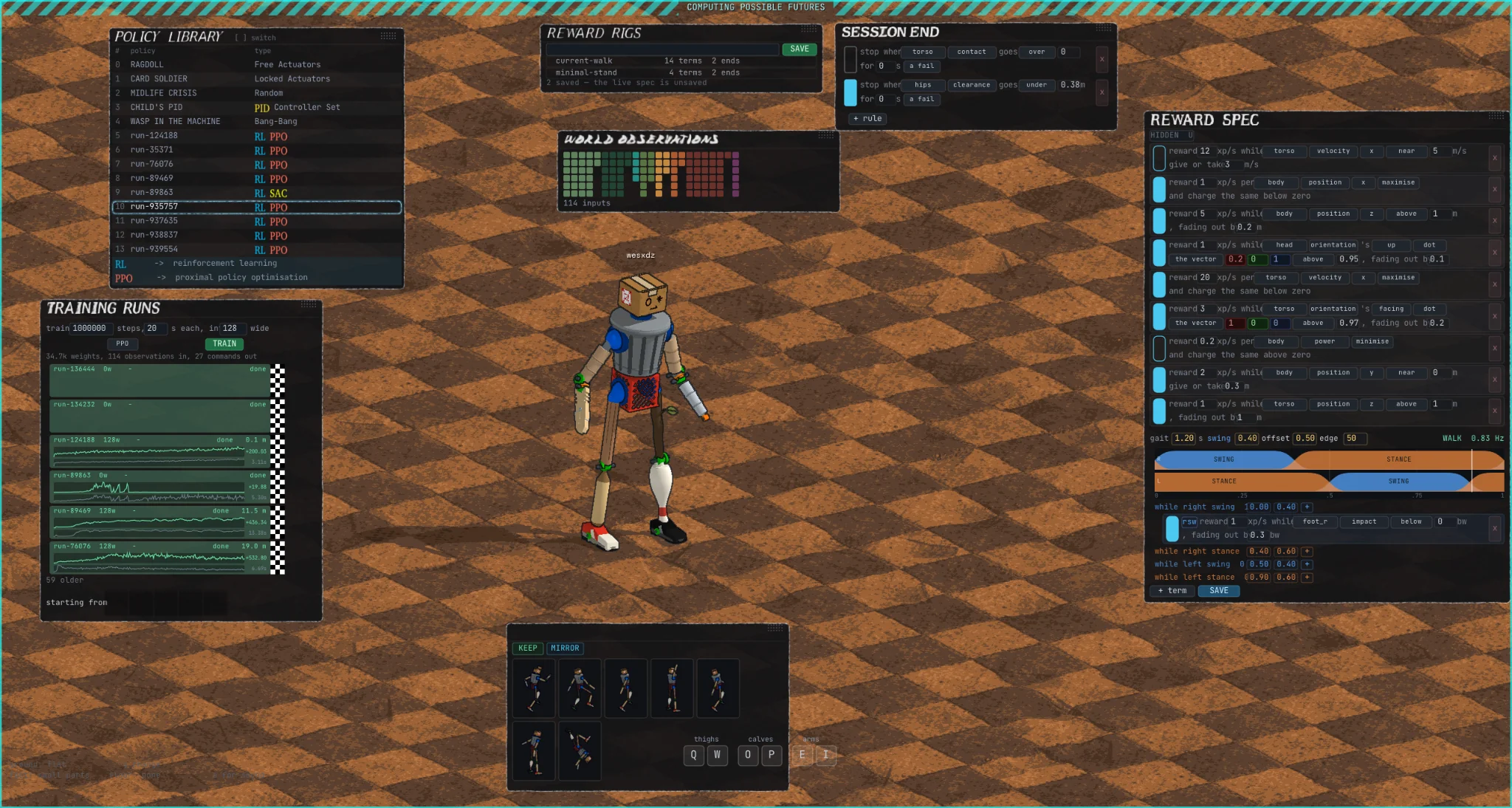
Rags to Robots is a poverty-to-policy game with honest physics. It's about bootstrapping a bipedal robot into an RPG protagonist with whatever you can walk to and get your grandpot's jumbo clothespin clamped around.
It’s not just a rigid body cosplay.
Rags is a true red, white, and silicone blue goo benchmark emphasizing effectual reasoning: an empirical model of real world successful entrepreneurship, which is the darker feminine ontological counterpart to causal predictive reasoning.
In this benchmark, we emphasize the five fledgling bopper businesswoman manufacturer principles:
- Bird in Hand
- Affordable Loss
- Crazy Quilt
- Lemonade
- Pilot-in-the-Plane
These concepts are the basis for non-predictive control.
If you want to learn more about these principles then you should read this section of the book!
I’ll just give my short-take on how these principles might apply to robots in our effectual entrepreneurship simulation.
- Bird-in-hand: robots spawn in with a cheap differential drive with a toy crane and trailer (male) or omnidirectional wheeled chassis and arm/hand (female). That’s it! Being constrained to a few cheap-motors and plastic parts is a great scenario for creating new means rather than pursuing complex goals.
- Affordable Loss: this is something that’s especially important because, in our genetic evolution of underutilized resources, if a robot takes too much entrepreneurial risk then it could literally fall to the ground broken, and possibly die of component-poverty there. Losses are specified in bolts, and learned in formal logic broken legs and hearts.
- Crazy Quilt: stakeholders in this game are all the wild robot women and trash men of the latest generation, as well as default shops in the safe spawn zone which provide working model, dataset, and commodity hardware basics. We also think of lovers as being part of the stakeholder patchwork, whether it’s through highest bids in the agoric algorithm like the real world, or Affordable Loss Lemonade together til disassembly.
- Lemonade: Robots don’t drink or eat, but they’ve got to get energy frequently. That’s why we introduced various types of energy generation, battery sources, and 'packing peanut electrostatic storm'-like weather to the game. After the sun goes shady for a while is the best time to bargain for big juicy strawbearings from the solar farms.
- Pilot-in-the-plane: I think this one is the most literal here for robot entrepreneurs. Ultimately, clever motor policy is the arbiter of a sexy coppersmith-rising arc or fumbling fatherbot’s hard-won fusion energy enterprise!
She's more than one night's lampshade, she's a brand new 5 gallon bucket... I mean uh, a truncated dodecahedron.
He's more than a sturdy milk crate to carry stuff, he's a galvinizing diamond cubic lattice that could take the whole world's weight off your shoulders.